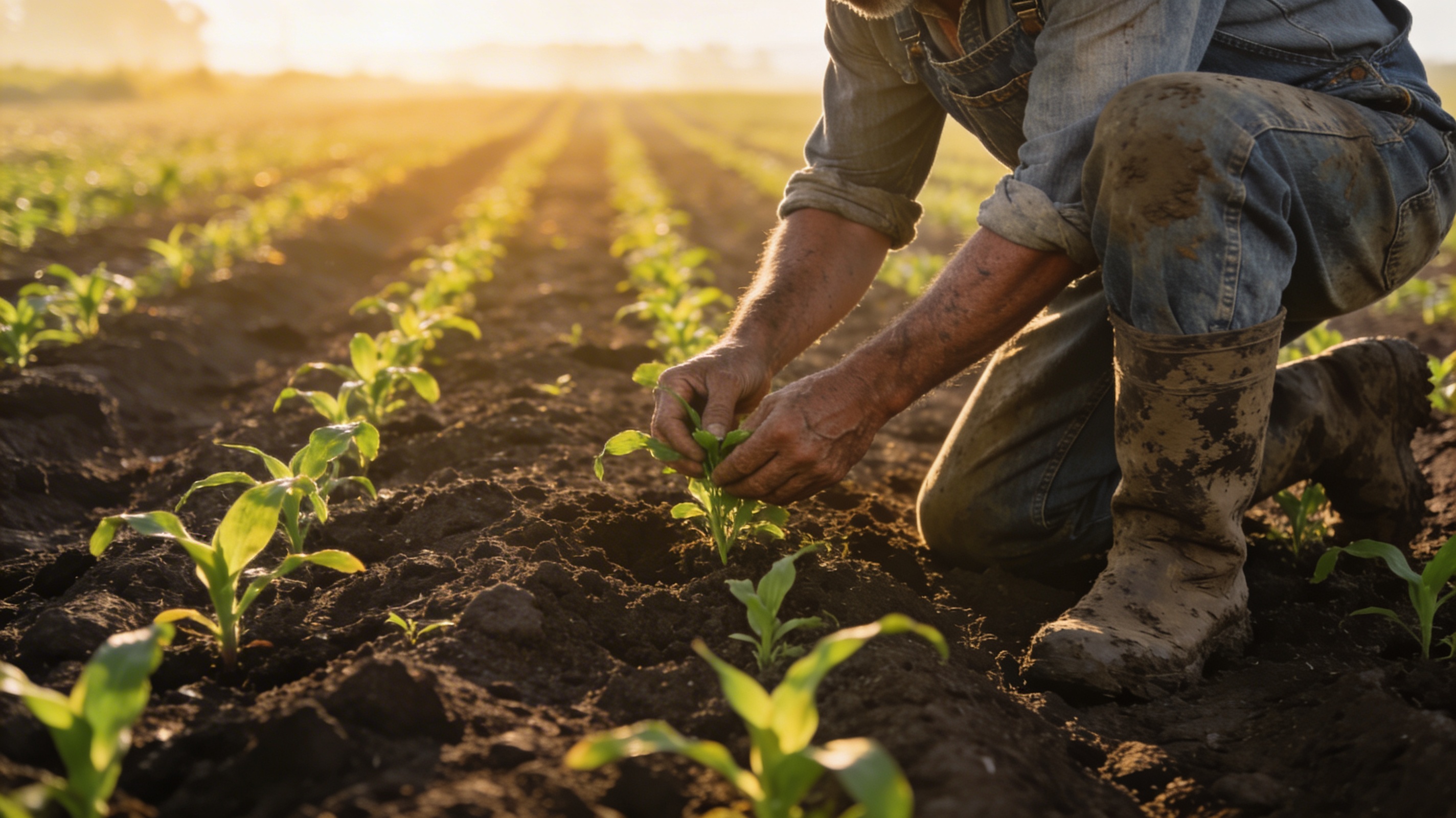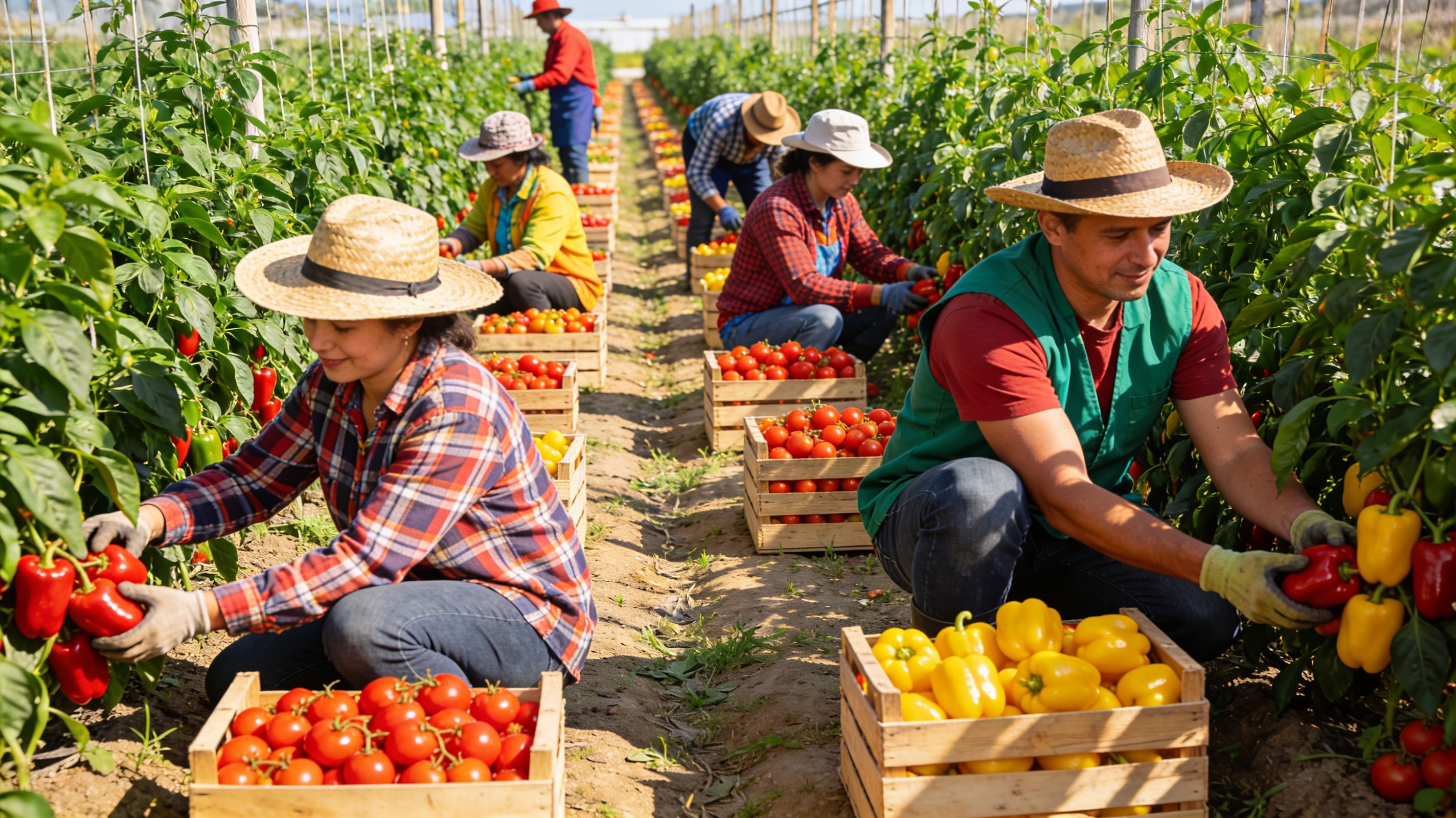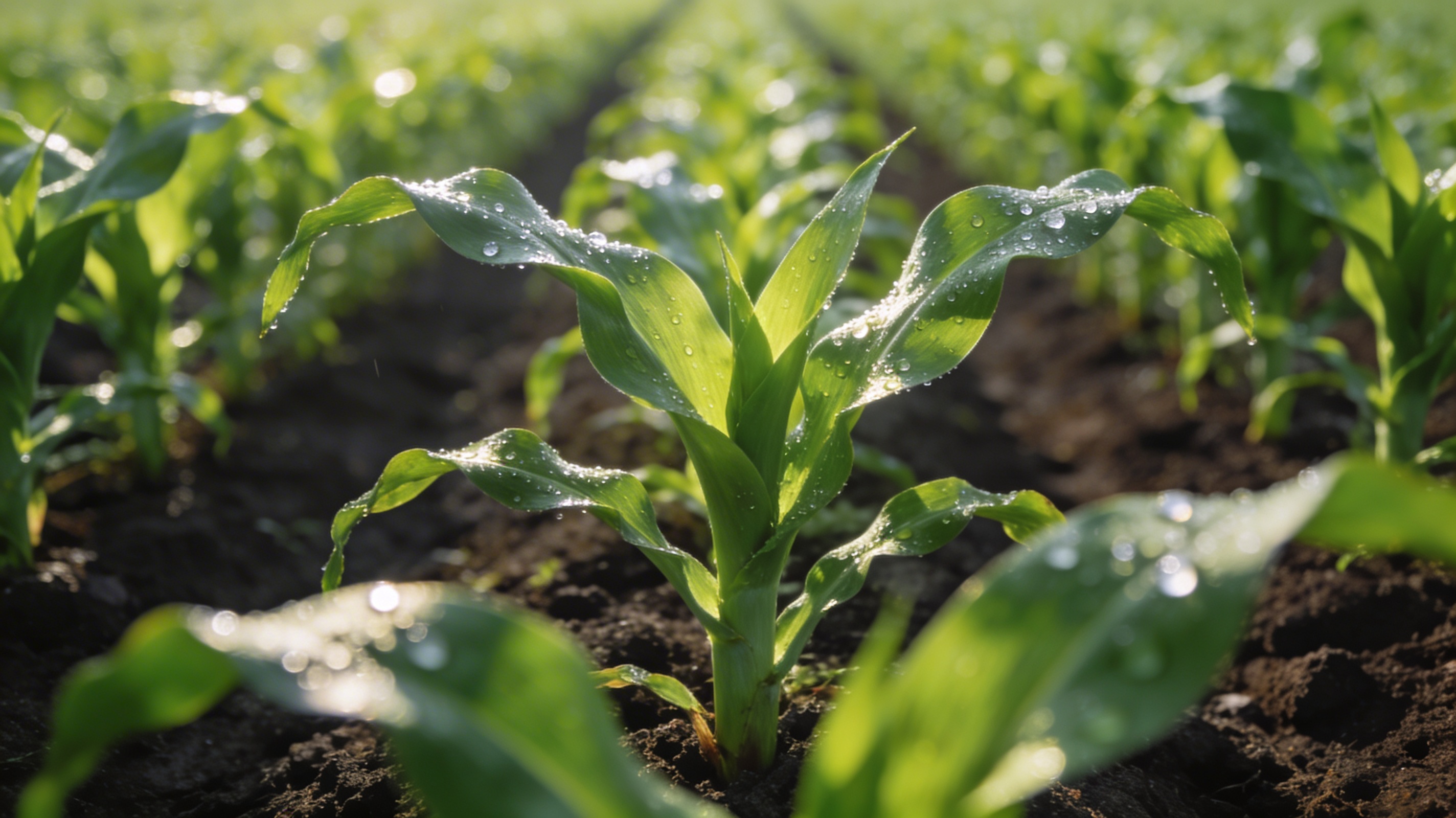
Pests and diseases can reduce crop yields by 20-40% or more if not managed effectively. Yet many small farms rely too heavily on pesticides, increasing costs and environmental impact while missing opportunities for more sustainable management.
Integrated Pest Management (IPM) combines multiple strategies to manage pests and diseases effectively while minimizing pesticide use. This guide covers IPM principles and practices for small and medium farms.
What Is Integrated Pest Management (IPM)?
Integrated Pest Management is an approach that:
- Uses multiple strategies (not just pesticides) to manage pests
- Focuses on prevention first
- Uses pesticides only when necessary
- Considers economic thresholds (treat when cost of damage exceeds treatment cost)
- Minimizes environmental impact
IPM can reduce pesticide use by 30-50% while maintaining or improving pest control.
Why IPM Matters for Small Farms
For small farms, IPM offers:
- ✅ Lower pesticide costs (30-50% reduction)
- ✅ Better pest control (multiple strategies are more effective)
- ✅ Reduced resistance (pests develop resistance to overused pesticides)
- ✅ Environmental benefits (less pesticide in environment)
- ✅ Market advantages (many buyers prefer IPM-grown crops)
- ✅ Long-term sustainability
IPM Strategies
1. Prevention
Prevention is the foundation of IPM. Prevent pest problems by:
- Using resistant varieties: Plant varieties resistant to common pests and diseases
- Crop rotation: Break pest and disease cycles
- Sanitation: Remove crop residues, weeds, and other pest habitats
- Healthy plants: Well-nourished, unstressed plants resist pests better
- Proper spacing: Good air circulation reduces disease pressure
2. Monitoring and Scouting
Regular monitoring helps you:
- Detect problems early (when they're easier to control)
- Make informed treatment decisions
- Avoid unnecessary pesticide applications
Scout fields weekly during growing season. Look for:
- Pest damage (chewed leaves, holes, etc.)
- Disease symptoms (spots, wilting, discoloration)
- Pest presence (insects, eggs, larvae)
- Beneficial insects (predators, parasitoids)
Track scouting observations by field and crop. This helps you see patterns and make better decisions.
3. Cultural Controls
Cultural practices that reduce pest pressure:
- Timing: Plant or harvest at times that avoid peak pest pressure
- Tillage: Can disrupt pest life cycles (but consider soil health)
- Companion planting: Some plant combinations repel pests
- Trap crops: Plant crops that attract pests away from main crops
- Habitat management: Remove weeds and other pest habitats
4. Biological Controls
Use beneficial organisms to control pests:
- Beneficial insects: Ladybugs, lacewings, parasitic wasps
- Predators: Birds, spiders, beneficial nematodes
- Microbial controls: Bacteria, fungi that attack pests
Encourage beneficials by:
- Reducing broad-spectrum pesticide use
- Providing habitat (flowering plants, hedgerows)
- Using selective pesticides when needed
5. Chemical Controls (Pesticides)
Use pesticides as a last resort, and when you do:
- Choose selective pesticides (target specific pests, spare beneficials)
- Apply at optimal timing (when pests are most vulnerable)
- Use correct rates (more isn't better)
- Rotate modes of action (prevent resistance)
- Follow label instructions exactly
Common Pests and Management
Insects
Common crop insects include:
- Aphids: Small, sap-sucking insects. Control with beneficial insects, selective insecticides, or cultural practices.
- Corn rootworm: Larvae feed on corn roots. Rotate crops, use resistant varieties, or targeted insecticides.
- Bean beetles: Feed on legumes. Rotate crops, use row covers, or selective insecticides.
- Cutworms: Cut young plants. Use tillage, crop rotation, or targeted treatments.
Diseases
Common crop diseases include:
- Fungal diseases: Rusts, blights, rots. Manage with resistant varieties, crop rotation, fungicides when needed.
- Bacterial diseases: Wilts, spots. Manage with sanitation, resistant varieties, copper-based products.
- Viral diseases: Mosaics, yellows. Manage by controlling insect vectors, using resistant varieties.
Weeds
Weeds compete with crops for resources. Manage with:
- Crop rotation
- Cover crops
- Tillage (consider soil health)
- Herbicides (when necessary)
- Mechanical control (cultivation, mowing)
Pest Management by Crop
Corn Pest Management
Key pests: corn rootworm, European corn borer, armyworms, diseases (rust, blight)
Management:
- Rotate crops (breaks rootworm cycle)
- Use resistant varieties
- Scout regularly
- Apply treatments when thresholds are reached
Soybean Pest Management
Key pests: soybean aphids, bean leaf beetles, diseases (rust, white mold)
Management:
- Rotate crops
- Use resistant varieties
- Monitor aphid populations
- Apply fungicides preventively for diseases when conditions favor them
Wheat Pest Management
Key pests: Hessian fly, aphids, diseases (rust, fusarium)
Management:
- Plant after fly-free date
- Use resistant varieties
- Rotate crops
- Apply fungicides when disease risk is high
Tracking Pest Management
Track all pest management activities:
- Scouting observations (pest presence, damage, beneficials)
- Treatment applications (pesticide type, rate, timing, field, crop)
- Weather conditions (affects pest and disease development)
- Results (did treatments work?)
This data helps you:
- See pest patterns over time
- Identify fields with recurring problems
- Evaluate treatment effectiveness
- Plan future management
- Connect pest management to costs and yields
Farm management software like AgroProfit tracks all pest management activities automatically, making it easy to see patterns and optimize management.
Economic Thresholds
Economic thresholds help you decide when to treat:
- Economic threshold: Pest level where treatment cost equals damage cost
- Economic injury level: Pest level that causes economic damage
Don't treat unless pests exceed thresholds. This saves money and reduces pesticide use.
Resistance Management
Pests develop resistance to overused pesticides. Prevent resistance by:
- Rotating pesticides with different modes of action
- Using IPM (reduces pesticide pressure)
- Not over-applying
- Using selective pesticides when possible
Common Pest Management Mistakes
Avoid these mistakes:
- Over-using pesticides: Wastes money, causes resistance, harms beneficials
- Not scouting: Can't make informed decisions without monitoring
- Treating too early or too late: Timing matters for effectiveness
- Ignoring prevention: Prevention is easier and cheaper than treatment
- Not tracking: Can't see what works without records
Organic Pest Management
Organic farms use IPM without synthetic pesticides. Strategies include:
- Strong emphasis on prevention
- Biological controls
- Cultural practices
- Organic-approved pesticides (copper, sulfur, etc.)
Organic IPM requires more planning and monitoring but can be very effective.
Getting Started with IPM
To implement IPM on your farm:
- Learn about your pests: Identify common pests and their life cycles
- Start monitoring: Scout fields regularly and record observations
- Focus on prevention: Use resistant varieties, crop rotation, healthy plants
- Track all activities: Record scouting, treatments, and results
- Evaluate and adjust: Use data to improve management over time
Start your free 60-day AgroProfit trial and begin tracking pest management today. See pest patterns by field and crop, track treatment effectiveness, and connect pest management to costs and yields.
Conclusion
Integrated Pest Management is a sustainable, effective approach to managing pests and diseases. It reduces pesticide use by 30-50% while maintaining or improving control. Start with prevention, monitor regularly, and use pesticides only when necessary based on economic thresholds.
For small farms, IPM can reduce costs while improving pest control and marketability. Don't rely solely on pesticides—use IPM strategies for better results and long-term sustainability.