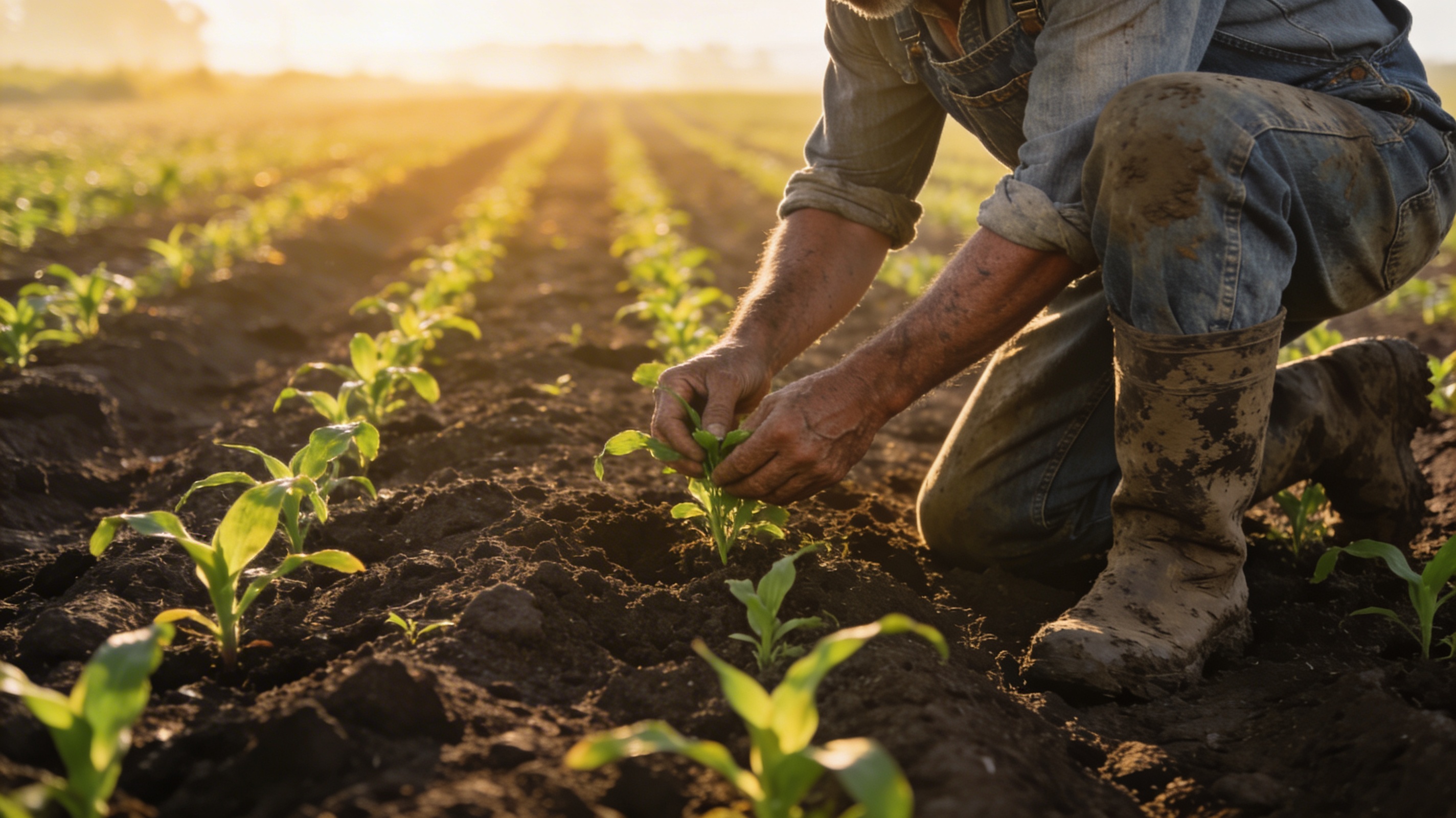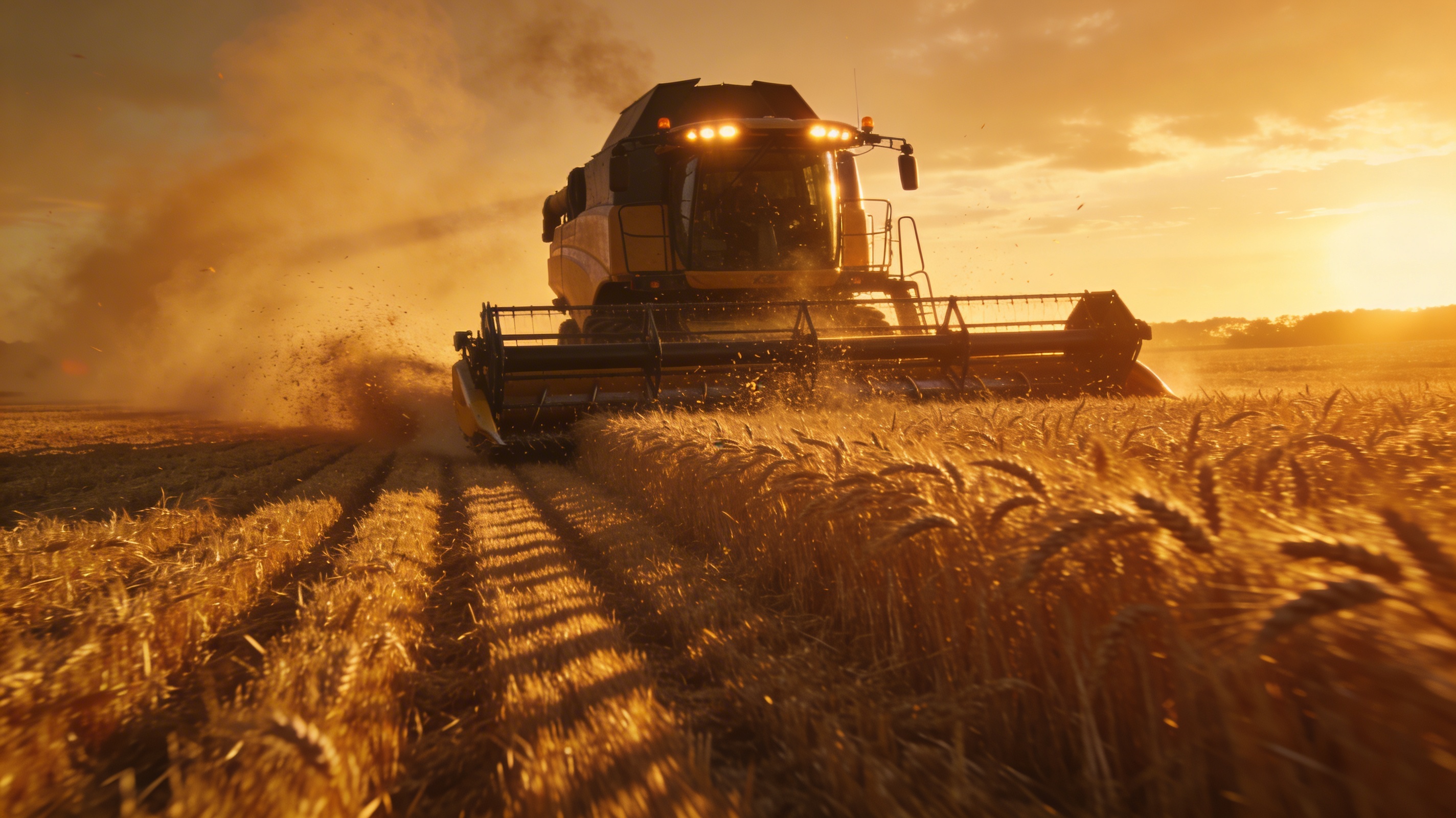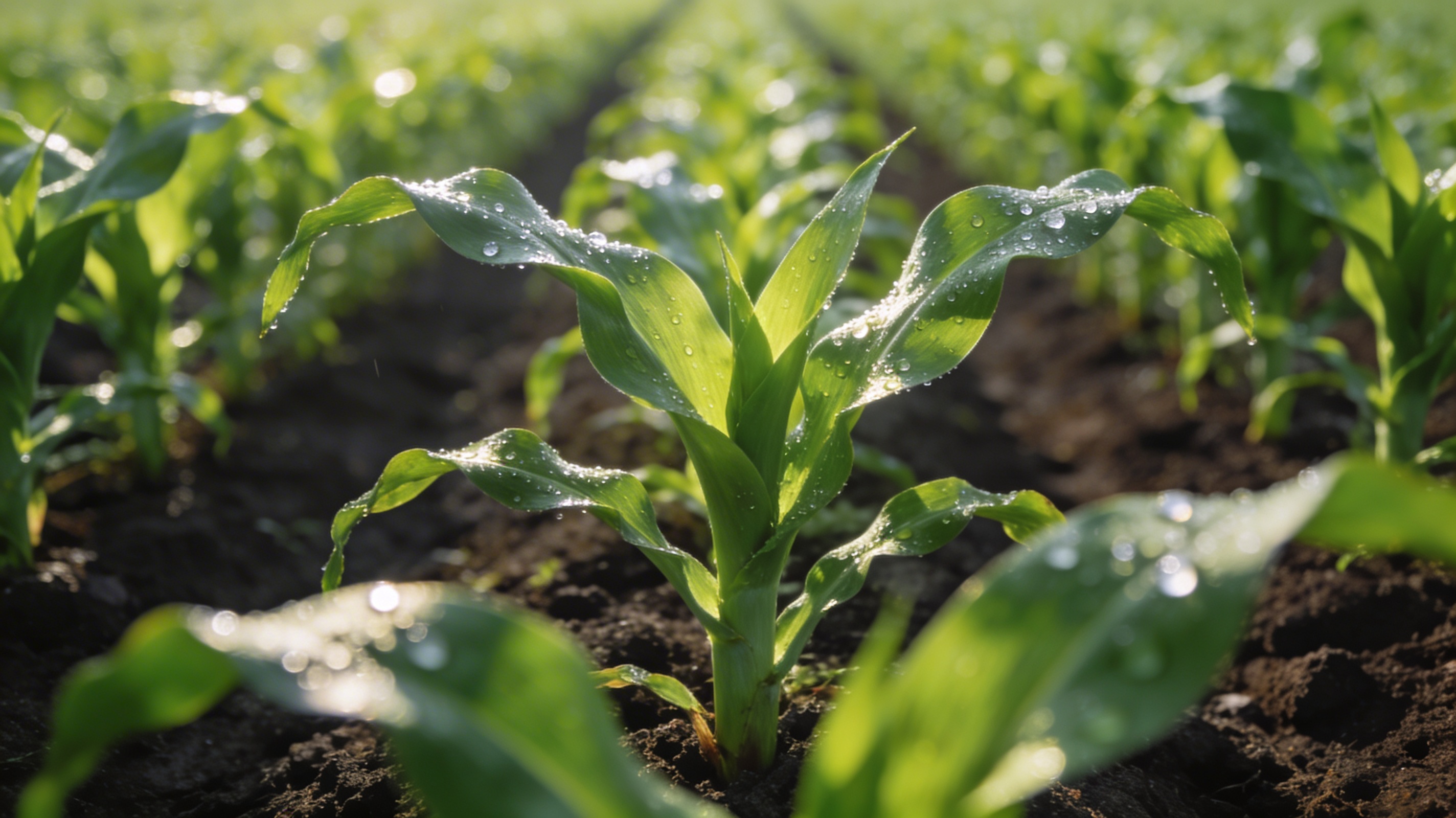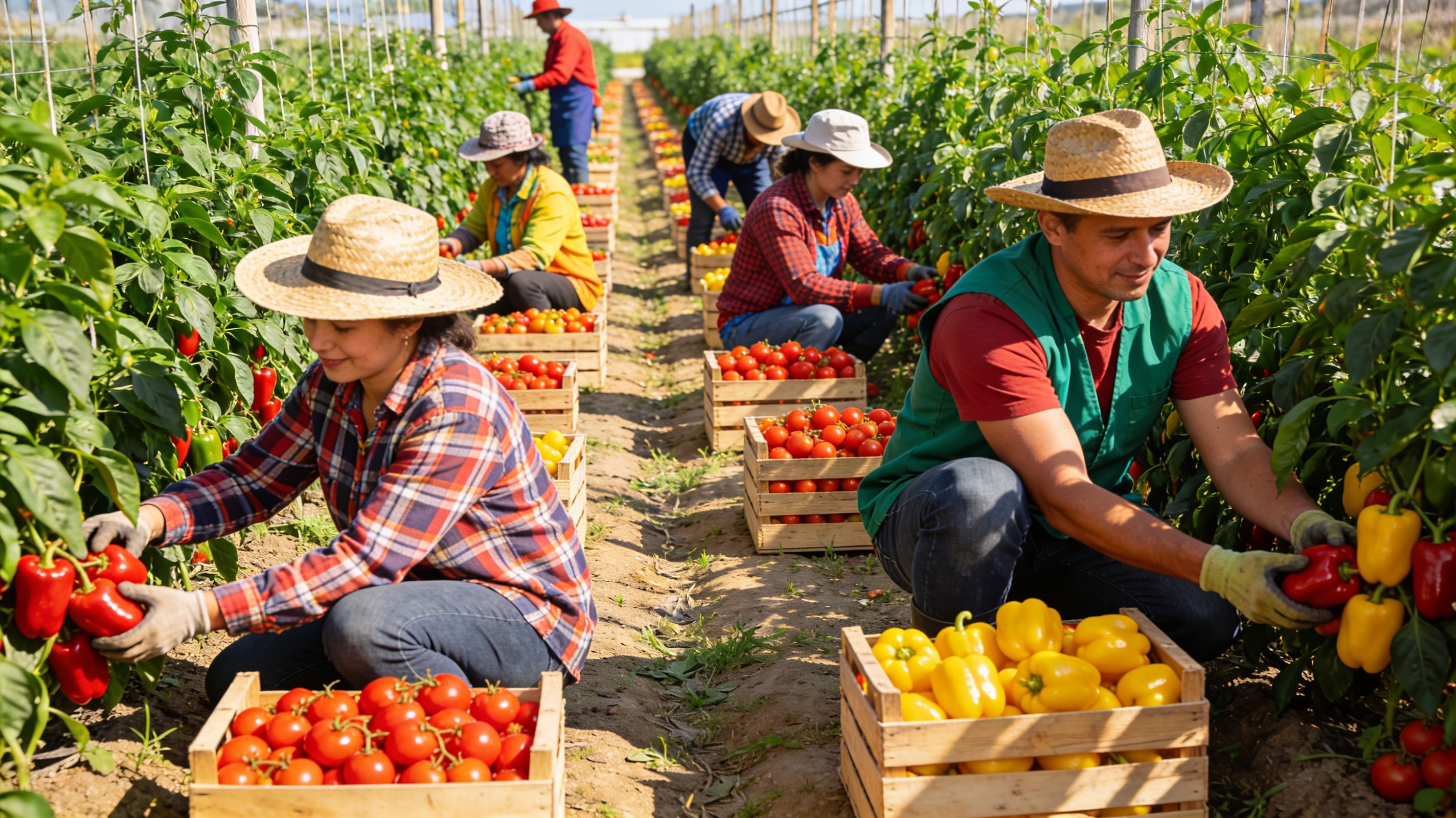
Harvest timing can make the difference between a profitable season and a disappointing one. Harvest too early, and you lose yield. Harvest too late, and quality declines, losses increase, and weather risks grow. Proper harvest planning and timing maximize both yield and quality while minimizing losses.
This guide covers harvest planning, timing strategies, and best practices for small and medium farms to optimize harvest decisions.
Why Harvest Timing Matters
Proper harvest timing can:
- ✅ Maximize yields (harvest at peak maturity)
- ✅ Optimize quality (harvest when quality is best)
- ✅ Reduce losses (avoid weather damage, shattering, etc.)
- ✅ Improve marketability (better quality commands higher prices)
- ✅ Manage labor and equipment efficiently
- ✅ Reduce storage and drying costs
For small farms, good harvest timing is especially important because you have limited resources and need to maximize value from every acre.
Understanding Crop Maturity
Physiological Maturity vs. Harvest Maturity
These are different concepts:
- Physiological maturity: When seeds reach maximum dry weight (grain crops)
- Harvest maturity: When crop is ready to harvest (may be before or after physiological maturity)
Harvest timing depends on your goals: maximum yield, best quality, or market timing.
Maturity Indicators by Crop
Corn: Black layer formation, kernel moisture 25-30%
Soybeans: Pods turn brown, seeds rattle, moisture 13-15%
Wheat: Heads turn golden, kernels hard, moisture 13-15%
Vegetables: Size, color, firmness vary by crop
Harvest Planning Basics
1. Estimate Harvest Dates
Estimate harvest dates based on:
- Planting dates
- Crop maturity (days to maturity for variety)
- Growing degree days (for some crops)
- Weather conditions during season
Track planting dates by field and crop. This helps you estimate when fields will be ready.
2. Plan Harvest Sequence
Plan which fields to harvest first based on:
- Maturity (harvest when ready, not all at once)
- Weather risk (harvest vulnerable fields first)
- Equipment availability
- Labor availability
- Storage capacity
3. Prepare Equipment and Storage
Before harvest:
- Service and calibrate harvest equipment
- Prepare storage facilities (clean, check condition)
- Arrange drying capacity if needed
- Line up labor if hiring
4. Monitor Crop Development
Monitor crops as they approach maturity:
- Check maturity indicators regularly
- Test moisture levels (for grain crops)
- Watch weather forecasts
- Assess field conditions
Harvest Timing by Crop
Corn Harvest Timing
Optimal timing: When kernel moisture is 25-30% (field drying to 15% is expensive)
Signs of readiness:
- Black layer forms at kernel base
- Kernels are dented and hard
- Husks turn brown
- Stalks begin to dry
Considerations: Harvest before frost if possible. High-moisture corn requires drying, which costs money.
Soybean Harvest Timing
Optimal timing: When pods are brown, seeds rattle, moisture 13-15%
Signs of readiness:
- 95% of pods are brown
- Seeds are hard and rattle in pods
- Leaves are yellow or dropped
Considerations: Harvest promptly when ready—delayed harvest increases shattering losses. Moisture below 13% increases shattering risk.
Wheat Harvest Timing
Optimal timing: When heads are golden, kernels hard, moisture 13-15%
Signs of readiness:
- Heads turn golden brown
- Kernels are hard when bitten
- Straw is mostly dry
Considerations: Harvest before rain if possible. Delayed harvest increases disease and lodging risk.
Vegetable Harvest Timing
Vegetables vary widely. General principles:
- Harvest at peak quality (size, color, firmness)
- Harvest before over-maturity (quality declines)
- Consider market timing (harvest when prices are best)
- Harvest in cool conditions when possible (better quality)
Factors Affecting Harvest Timing
Weather
Weather significantly affects harvest timing:
- Rain: Delays harvest, can cause quality loss, increases disease risk
- Frost: Can damage crops—harvest before frost when possible
- Wind: Can cause lodging or shattering
- Temperature: Affects drying rate and quality
Monitor weather forecasts and adjust harvest plans accordingly.
Field Conditions
Field conditions affect when you can harvest:
- Soil moisture: Too wet = equipment gets stuck, soil compaction
- Field access: Can you get equipment to fields?
- Crop condition: Lodging, disease, or other problems may require earlier harvest
Market Conditions
Sometimes market conditions affect timing:
- Prices may be better at certain times
- Buyer requirements may specify timing
- Storage capacity may limit when you can harvest
Harvest Loss Management
Harvest losses reduce profitability. Common sources:
- Pre-harvest losses: Shattering, lodging, weather damage
- Harvest losses: Equipment inefficiency, operator error
- Post-harvest losses: Storage problems, handling damage
Minimize losses by:
- Harvesting at optimal timing (not too early, not too late)
- Maintaining and calibrating equipment
- Training operators
- Proper storage and handling
Track harvest losses by field and crop. This helps you identify problems and improve.
Tracking Harvest Operations
Track all harvest activities:
- Harvest dates
- Fields and crops harvested
- Yields (quantity harvested)
- Moisture levels (for grain crops)
- Quality assessments
- Losses (pre-harvest, harvest, post-harvest)
- Weather conditions
- Costs (labor, equipment, drying, storage)
This data helps you:
- See harvest patterns over time
- Identify fields with timing issues
- Evaluate harvest efficiency
- Connect harvest timing to yields and quality
- Plan future harvests
Farm management software like AgroProfit tracks all harvest operations automatically, making it easy to see patterns and optimize timing.
Harvest Quality Management
Quality affects marketability and price. Manage quality by:
- Harvesting at optimal timing (peak quality)
- Harvesting in good conditions (dry, cool when possible)
- Proper handling (minimize damage)
- Proper storage (maintain quality)
- Quick processing when needed
Common Harvest Timing Mistakes
Avoid these mistakes:
- Harvesting too early: Loses yield, may reduce quality
- Harvesting too late: Quality declines, losses increase, weather risks grow
- Not monitoring maturity: Can't time harvest without checking crops
- Ignoring weather: Weather can cause major losses if not considered
- Not tracking: Can't see what timing works best without records
Harvest Planning Tools
Moisture Testers
For grain crops, moisture testers help determine harvest timing. Test multiple areas of fields for accuracy.
Weather Monitoring
Weather data helps plan harvest timing. Monitor forecasts and adjust plans accordingly.
Farm Management Software
Software like AgroProfit helps with harvest planning by:
- Tracking planting dates (estimate harvest dates)
- Recording harvest operations
- Tracking yields and quality
- Connecting harvest timing to profitability
Getting Started with Better Harvest Planning
To improve harvest planning:
- Track planting dates: Know when crops were planted to estimate harvest dates
- Monitor crop development: Check maturity indicators as harvest approaches
- Plan harvest sequence: Decide which fields to harvest first
- Track all harvests: Record dates, yields, quality, and conditions
- Analyze results: Use harvest data to improve future timing
Start your free 60-day AgroProfit trial and begin tracking harvest operations today. See harvest timing by field and crop, connect timing to yields and quality, and optimize future harvests based on data.
Conclusion
Proper harvest planning and timing are essential for maximizing crop yields and quality while minimizing losses. Monitor crop development, plan harvest sequence, track all operations, and use that data to continuously improve harvest timing.
For small farms, good harvest timing can increase profitability by 10-20% through better yields, quality, and reduced losses. Don't leave it to chance—plan, monitor, and harvest strategically.