Water is essential for crop growth, but many small farms struggle with irrigation planning, water management, and timing applications effectively. Proper irrigation can increase yields by 20-40%, while poor water management wastes resources and reduces profitability.
This guide covers irrigation planning, water management strategies, and best practices for small and medium farms to maximize water efficiency and crop yields.
Why Irrigation Planning Matters
Effective irrigation planning helps you:
- ✅ Increase yields by 20-40% in dry conditions
- ✅ Reduce water waste by 30-50%
- ✅ Lower energy costs (pumping water is expensive)
- ✅ Improve crop quality
- ✅ Prevent over-watering that can cause disease and nutrient loss
- ✅ Manage water resources sustainably
For small farms, good water management is especially important because water costs directly impact profitability.
Understanding Crop Water Needs
Water Requirements by Crop
Different crops need different amounts of water:
- Corn: 20-25 inches per season
- Soybeans: 18-22 inches per season
- Wheat: 12-18 inches per season
- Vegetables: Vary widely, often 1-2 inches per week during growth
These are general guidelines—actual needs depend on soil type, weather, and growth stage.
Critical Growth Stages
Most crops have critical growth stages when water stress causes the most yield loss:
- Corn: Tasseling and silking (most critical), grain fill
- Soybeans: Flowering and pod fill
- Wheat: Jointing, heading, grain fill
- Vegetables: Flowering and fruit development
Ensure adequate water during these stages to protect yields.
Irrigation Planning Basics
1. Assess Water Availability
Before planning irrigation, know:
- Water source capacity (well, surface water, etc.)
- Water rights and restrictions
- Seasonal availability
- Water quality
2. Understand Soil Water Holding Capacity
Different soils hold different amounts of water:
- Clay soils: Hold more water, need less frequent irrigation
- Sandy soils: Hold less water, need more frequent irrigation
- Loam soils: Moderate water holding capacity
Know your soil type to plan irrigation frequency.
3. Plan Irrigation Timing
Plan irrigation based on:
- Crop growth stage and water needs
- Weather forecasts (rain expected?)
- Soil moisture levels
- Critical growth stages
Track irrigation applications by field and crop. This helps you see patterns and optimize timing.
Irrigation Methods for Small Farms
1. Sprinkler Irrigation
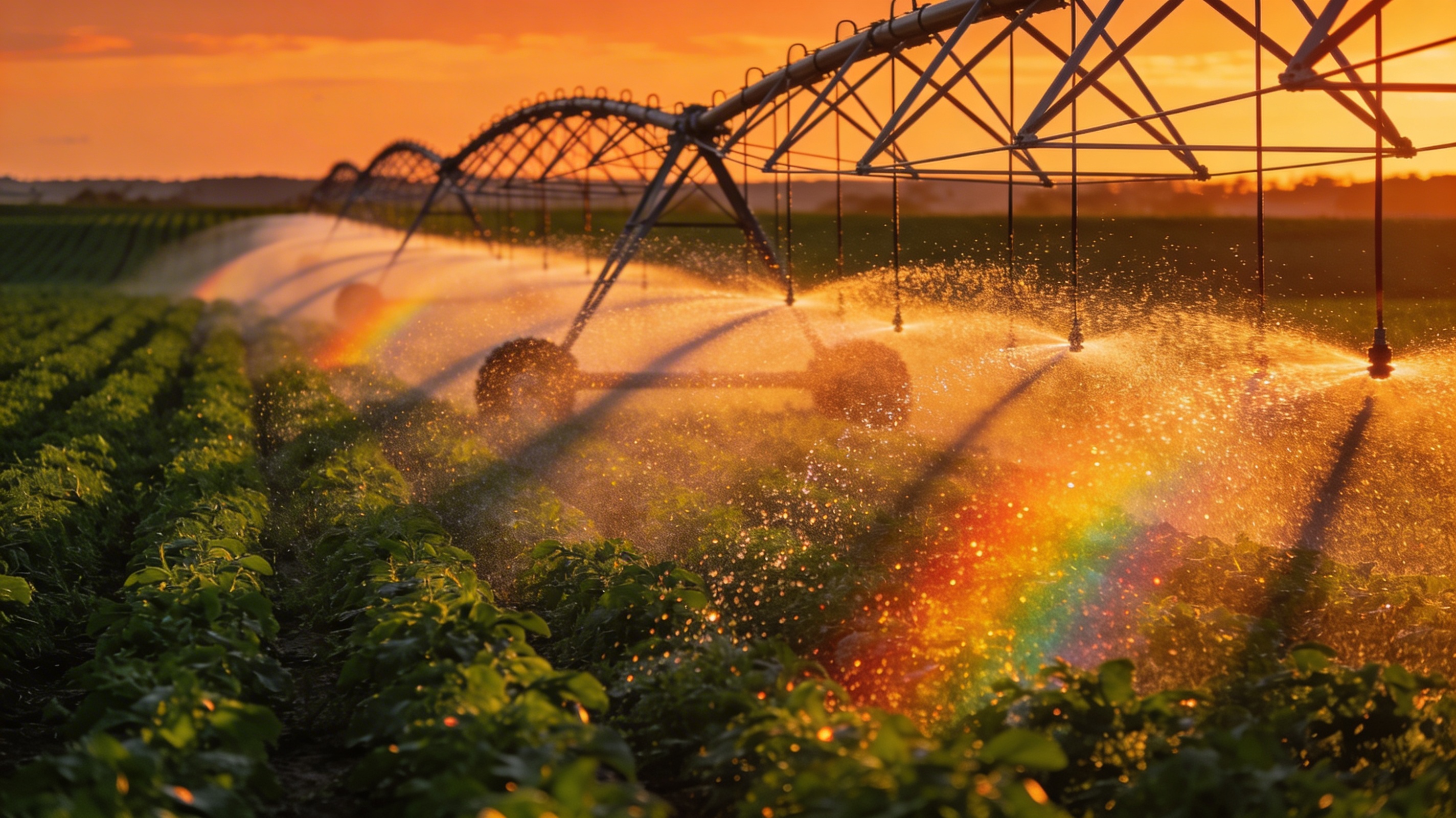
Sprinkler systems apply water through overhead sprinklers. Good for:
- Most field crops
- Fields with varying topography
- Situations where surface irrigation isn't practical
Considerations: Higher energy costs, potential for evaporation loss, can spread diseases if not managed properly.
2. Drip Irrigation
Drip systems apply water directly to the root zone. Good for:
- High-value crops
- Vegetables
- Water conservation
- Precise water application
Considerations: Higher initial cost, requires maintenance, best for row crops.
3. Surface Irrigation (Flood/Furrow)
Surface irrigation uses gravity to distribute water. Good for:
- Level fields
- Large fields
- Lower-cost systems
Considerations: Less efficient, requires level fields, can cause erosion.
Water Management Strategies
1. Monitor Soil Moisture
Regular soil moisture monitoring helps you:
- Know when to irrigate (not too early, not too late)
- Avoid over-watering
- Prevent water stress
Methods include:
- Soil moisture sensors
- Visual inspection (soil feel)
- Weather-based estimates
2. Use Weather Data
Weather data helps you:
- Estimate crop water use (evapotranspiration)
- Plan irrigation timing
- Adjust for rainfall
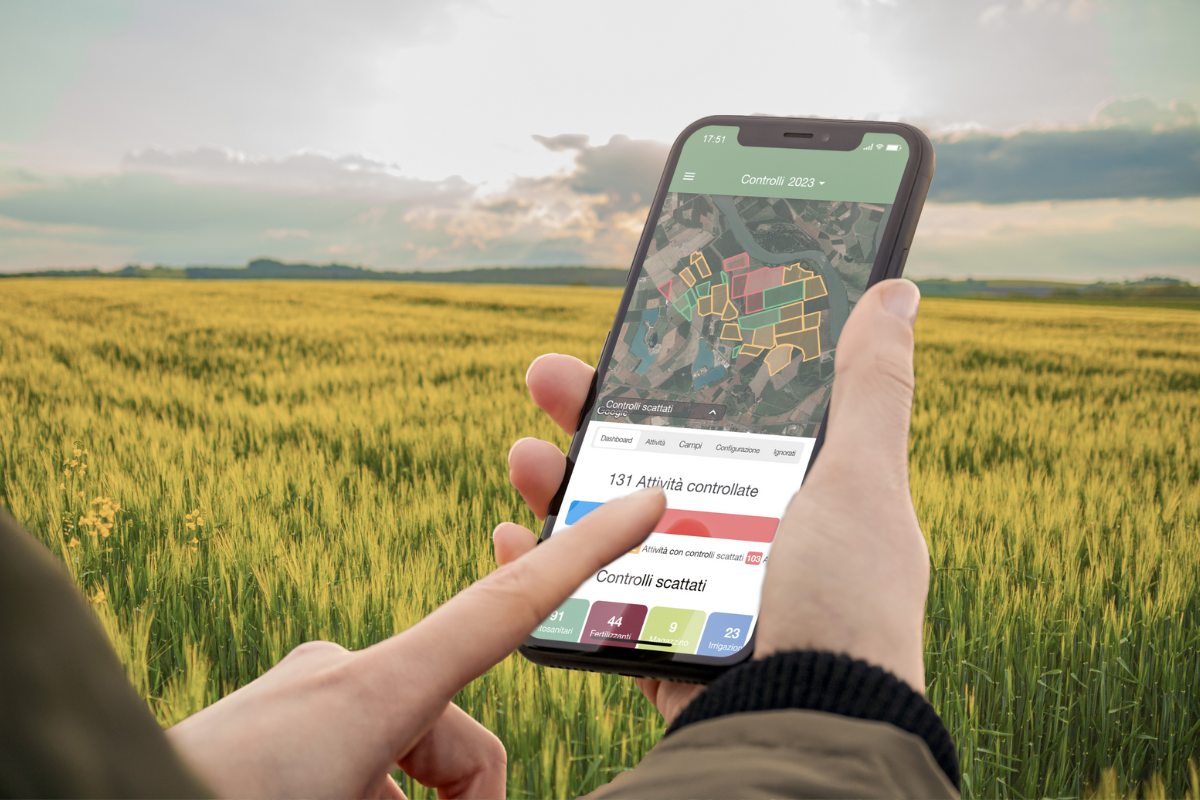
Many farm management systems, including AgroProfit, integrate weather data to help with irrigation planning.
3. Schedule Based on Crop Needs
Schedule irrigation based on:
- Crop growth stage
- Critical water needs
- Soil moisture levels
- Weather forecasts
Don't irrigate on a fixed schedule—irrigate based on need.
4. Track Irrigation Applications
Track all irrigation applications:
- Date and time
- Amount applied
- Field and crop
- Growth stage
- Weather conditions
This data helps you:
- See irrigation patterns
- Identify fields that need more or less water
- Connect irrigation to yields
- Optimize future applications
Water Conservation Strategies
1. Improve Soil Organic Matter
Organic matter improves water retention. Build it through:
- Cover crops
- Compost applications
- Crop residue management
2. Use Mulch
Mulch reduces evaporation and conserves soil moisture. Especially valuable for:
- Vegetable crops
- High-value crops
- Areas with limited water
3. Optimize Irrigation Timing
Irrigate during cooler times (early morning, evening) to reduce evaporation. Avoid windy conditions when possible.
4. Maintain Irrigation Systems
Well-maintained systems are more efficient:
- Fix leaks promptly
- Check sprinkler coverage
- Maintain pumps and filters
- Calibrate application rates
Irrigation and Crop Yields
Proper irrigation timing can significantly impact yields:
Corn
Corn is most sensitive to water stress during:
- Tasseling and silking (most critical—can cause 50%+ yield loss)
- Grain fill (can cause 30%+ yield loss)
Ensure adequate water during these stages.
Soybeans
Soybeans are most sensitive during:
- Flowering (can cause 40%+ yield loss)
- Pod fill (can cause 30%+ yield loss)
Wheat
Wheat is most sensitive during:
- Jointing and heading
- Grain fill
Common Irrigation Mistakes
Avoid these mistakes:
- Over-irrigating: Wastes water, can cause disease, leaches nutrients
- Under-irrigating: Causes yield loss, especially during critical stages
- Irrigating on fixed schedules: Doesn't account for weather or crop needs
- Not tracking applications: Can't see patterns or optimize
- Ignoring critical growth stages: Missing water during critical stages causes major yield loss
Integrating Irrigation with Other Management
Irrigation works best when integrated with other management practices:
Fertilizer Management
Water affects nutrient availability and movement. Coordinate irrigation with fertilizer applications for best results.
Pest Management
Over-watering can increase disease pressure. Proper irrigation timing helps manage diseases.
Soil Management
Good soil management (organic matter, structure) improves water retention and reduces irrigation needs.
Getting Started with Better Irrigation Planning
To improve irrigation management:
- Understand crop water needs: Learn what your crops need and when
- Monitor soil moisture: Know when fields need water
- Plan based on growth stages: Focus on critical water needs
- Track all applications: Record when and how much you irrigate
- Monitor results: Connect irrigation to yields and adjust
Start your free 60-day AgroProfit trial and begin tracking irrigation applications today. See irrigation patterns by field and crop, connect water management to yields, and optimize future applications based on data.
Conclusion
Effective irrigation planning and water management are essential for profitable farming, especially in areas with limited water or variable rainfall. Plan irrigation based on crop needs and growth stages, track all applications, and use that data to optimize water use and maximize yields.
For small farms, good water management can increase yields by 20-40% while reducing water waste and costs. Don't leave it to chance—plan, track, and manage strategically.