Farm Management Software: Complete Guide for Small Farms in 2026
What Is Farm Management Software?
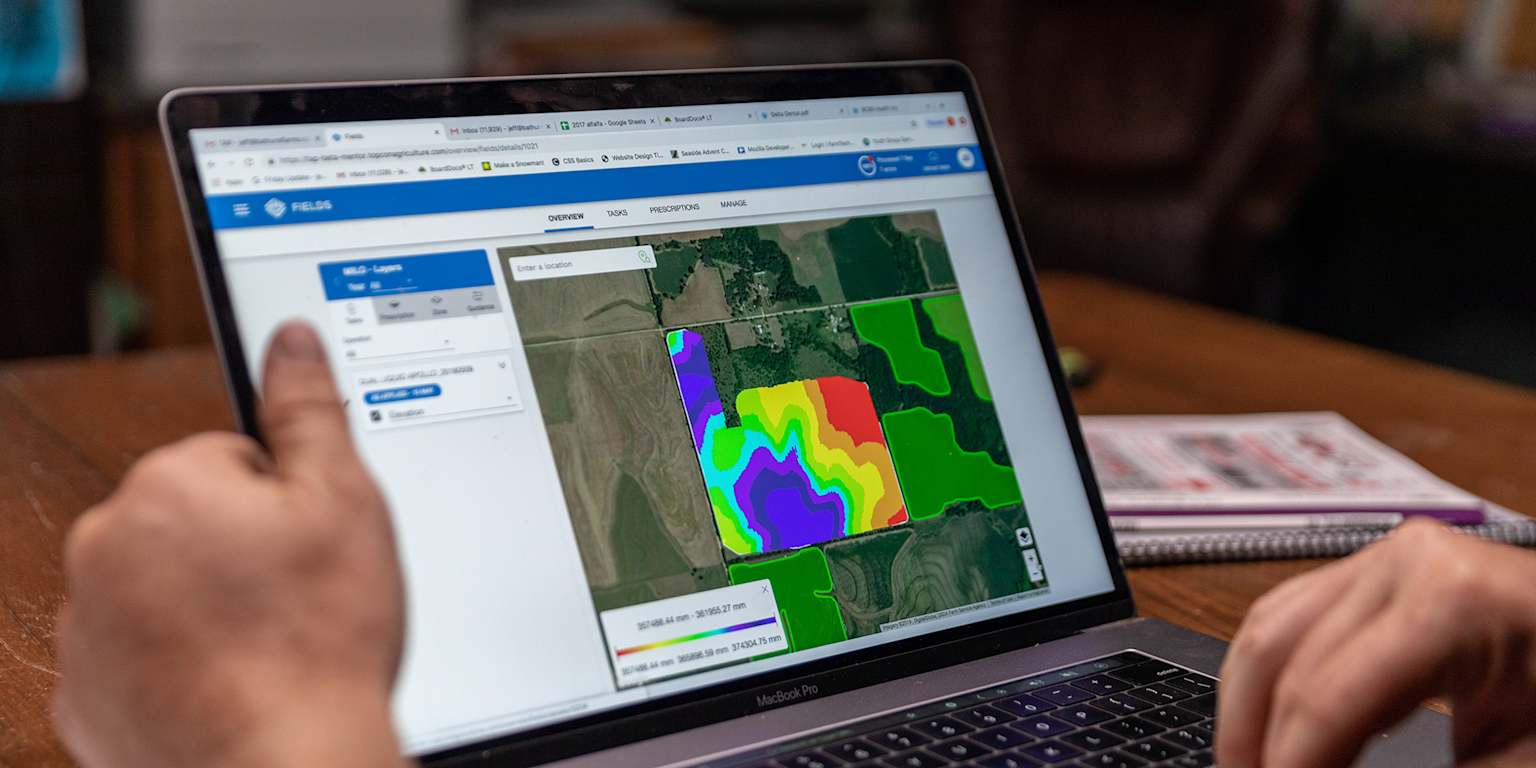
Farm management software is a digital tool that helps farmers record, organize and analyze everything that happens on the farm in one place.
Instead of keeping separate notebooks, spreadsheets and receipts, you use one system to track fields, inputs, yields, livestock, labour and finances.
For small farms, this means less time on paperwork and more time making decisions based on clear numbers, not guesses.
Why Small Farms Need Farm Management Software
Many small farmers still rely on pen-and-paper notebooks or basic spreadsheets.
This works at the beginning, but quickly becomes messy when you manage multiple fields, crops, seasons, workers and bills.
Farm management software gives you:
- One place for all farm records (fields, crops, inputs, livestock, tasks, sales).
- Clear view of costs and income per field, crop or enterprise.
- Better planning based on previous seasons, not only memory.
- Easier reporting for your accountant, bank or government programs.
When you know exactly how much you spend and earn per field or herd, it is easier to stop unprofitable activities and focus on what brings the most profit.
Key Features to Look For (Small Farm Perspective)
Not every farm needs a complex enterprise system.
If you run a small or medium-sized farm, focus on a tool that is simple, mobile-friendly and built for daily use.
Important features include:
- Field and crop records: fields, plantings, operations, yields.
- Spray and fertilizer logs: what you applied, where, when and how much.
- Expense tracking: inputs, fuel, repairs, labour, machinery costs.
- Sales and income records: who you sold to, quantities and prices.
- Profit per field or enterprise: simple reports that show which parts of the farm make money.
- Mobile access: ability to enter data from the field, not only in the office.
If a platform is too complex or looks like a corporate ERP, small farms usually stop using it after a few weeks.
How Farm Management Software Helps Increase Profit
Profit on a farm is often lost in small, invisible leaks: over-application of inputs, poor yield tracking, underpriced sales or inefficient labour.
Farm management software helps you see these leaks.
For example:
- By tracking fertilizer and spray rates per field, you can reduce unnecessary applications without hurting yields.
- By comparing yield and total costs per field, you can stop growing crops that consistently lose money.
- By logging all labour hours, you see which tasks take most time and where to optimize.
Even a 5–10% improvement in cost control and pricing can make a big difference for small farms.
Cloud-Based vs On-Premise Tools
Today most modern farm management systems are cloud-based, which means you access them via browser or mobile app.
Cloud tools automatically sync data across devices, provide backups and are easier to update than software installed on a single computer.
For small farms in the US, UK, Canada and Australia, cloud solutions are usually the best option because they work anywhere you have an internet connection.
How to Start with Farm Management Software in 30 Days
You do not need to migrate your entire farm on day one.
A simple 30-day plan could look like this:
- Week 1 – Pick your tool and set up basic structure (farms, fields, crops, livestock groups).
- Week 2 – Start recording all new activities: field work, inputs, labour and sales.
- Week 3 – Enter key historical data for last season: yields and major costs per field.
- Week 4 – Generate simple reports and identify your top 3 most profitable fields or enterprises.
The goal is not perfect data, but a clear, repeatable habit of entering and reviewing information.
When Does Farm Management Software Pay for Itself?
Most small farmers see value when the software helps them avoid even a few bad decisions per season.
If a tool helps you reduce fertilizer use slightly, renegotiate one contract, or stop growing one unprofitable crop, the subscription can be paid back quickly.
In addition, good records make it easier to access credit, grants and cost-share programs that require documented farm performance.
Conclusion & Next Step
If you are still running your farm on scattered notebooks and spreadsheets, now is the right time to test a simple farm management platform.
Start with one season, track all costs and yields per field, and you will immediately see where your profit comes from – and where it disappears.
Start your free trial of AgroProfit today and see your profit per field in one click.