Weather is the single biggest variable in farming, yet most farmers rely on memory or gut feeling when making decisions about planting, spraying, irrigating, and harvesting. Keeping weather records and connecting them to field operations transforms guesswork into data-driven decisions that improve yields and reduce costs.
This guide covers what weather data to record, how to use it for better farm decisions, and best practices for small and medium farms.
Why Weather Records Matter for Farming
Every farm operation is affected by weather:
- Planting timing: Soil temperature and moisture determine when to plant
- Spray applications: Wind speed, humidity, and rain affect efficacy and drift
- Irrigation: Rainfall records help avoid over-watering and save costs
- Disease pressure: Humidity and temperature trigger fungal outbreaks
- Harvest timing: Dry periods are critical for quality harvest
- Insurance claims: Documented weather data supports crop insurance
Farmers who track weather alongside field operations can identify patterns, learn from past seasons, and make better decisions year after year.
What Weather Data to Record
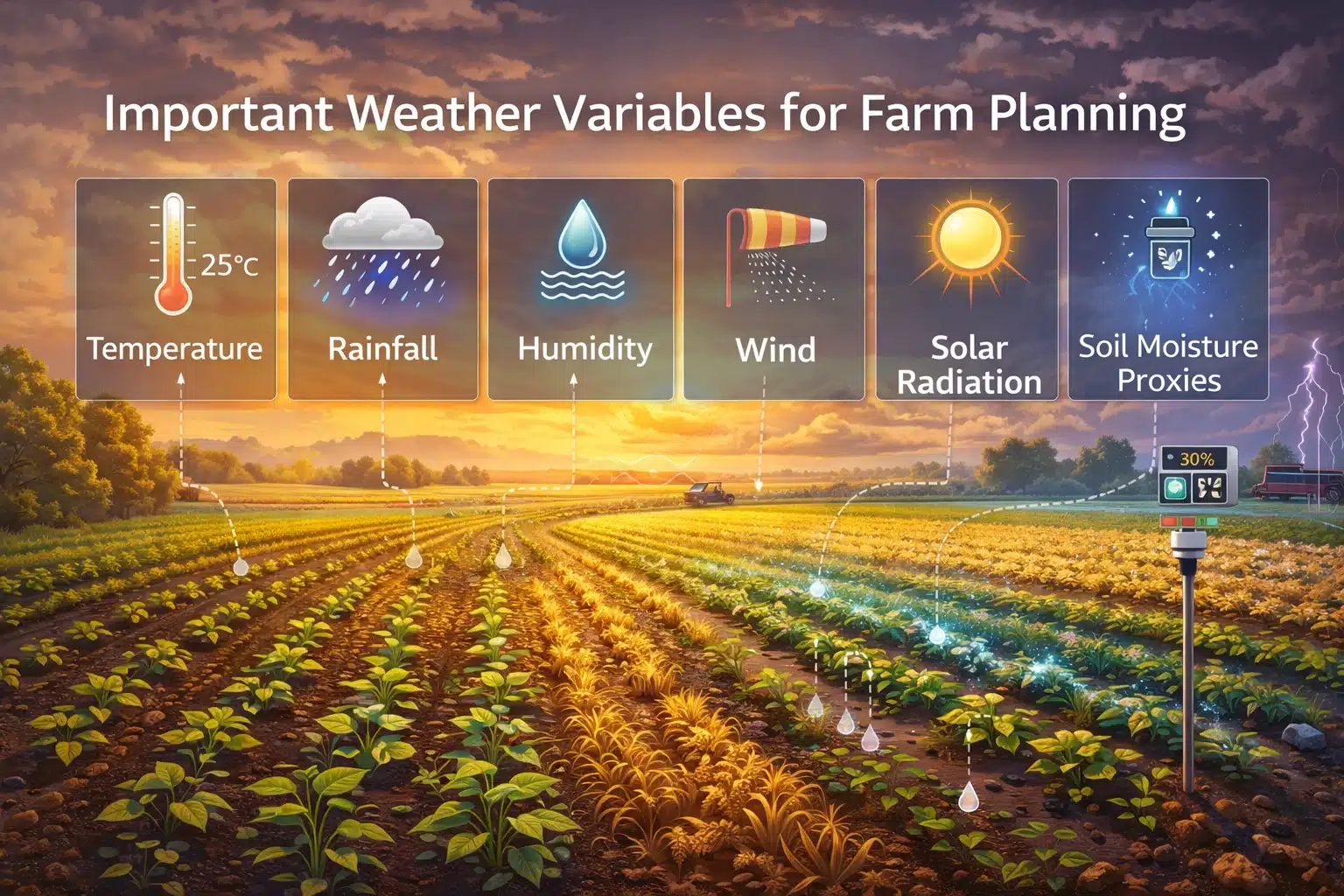
Essential Daily Records
- Rainfall: Amount in mm (use a rain gauge on your farm, not regional averages)
- Temperature: Daily high and low
- Humidity: Especially during spray season
- Wind speed and direction: Critical for spray decisions
- Frost events: Date, duration, and affected fields
Seasonal Records
- First and last frost dates
- Total growing degree days (GDD)
- Cumulative rainfall by month
- Drought periods (consecutive days without rain)
- Extreme weather events (hail, storms, heat waves)
Field-Specific Observations
Weather varies across your farm. Record:
- Which fields received more rain (elevation, exposure differences)
- Soil moisture observations by field
- Wind exposure on open vs. sheltered fields
- Frost damage location and severity
Using Weather Data for Better Decisions
Planting Decisions
Track soil temperature at planting depth (typically 10 cm). Most crops have minimum soil temperature requirements:
- Corn: 10°C minimum soil temperature
- Soybeans: 10°C minimum
- Wheat: Can plant at lower temperatures
- Vegetables: Varies widely by crop
Compare planting dates with weather records from previous years to find your optimal planting window for each field.
Spray Application Timing
Weather determines spray success. Record conditions for every application:
- Wind: Apply when wind is below 15 km/h to prevent drift
- Humidity: 40-70% is ideal for most products
- Rain: No rain forecast for 4-6 hours after application
- Temperature: Avoid spraying above 28°C (evaporation reduces efficacy)
When you log spray applications with weather conditions, you can analyze which conditions produced the best results and avoid costly mistakes.
Irrigation Management
Track rainfall at your farm to make smarter irrigation decisions:
- Subtract rainfall from irrigation needs
- Identify fields that received adequate natural moisture
- Calculate water savings from skipping unnecessary irrigation
- Plan irrigation schedules based on cumulative rainfall and crop stage
Farms that track rainfall often reduce irrigation costs by 15-25% by avoiding unnecessary watering.
Disease and Pest Prediction
Many crop diseases are weather-driven:
- Fungal diseases: High humidity + warm temperatures = risk
- Late blight: Cool, wet conditions trigger outbreaks
- Pest emergence: Growing degree days predict insect hatch timing
When you have weather records linked to disease and pest observations, you build a predictive model for your specific farm conditions.
Harvest Planning
Weather records help plan harvest timing:
- Track dry periods for optimal harvest moisture
- Plan harvest order based on field drying rates
- Document weather-related quality issues (rewetting, sprouting)
- Compare harvest dates and weather across seasons
Connecting Weather to Field Operations
Weather data is most valuable when connected to what happened in the field:
Link Weather to Every Operation
For each field operation, record:
- Date and time
- Weather conditions at the time
- Weather in the 24-48 hours before and after
- Results (good, average, poor)
Analyze Patterns Over Time
After 2-3 seasons of records, you can answer:
- What planting date gives the best yields in your area?
- Which spray conditions produce the best pest control?
- How much rainfall does each field receive compared to others?
- Which fields are most frost-prone?
- How does weather affect profit per field?
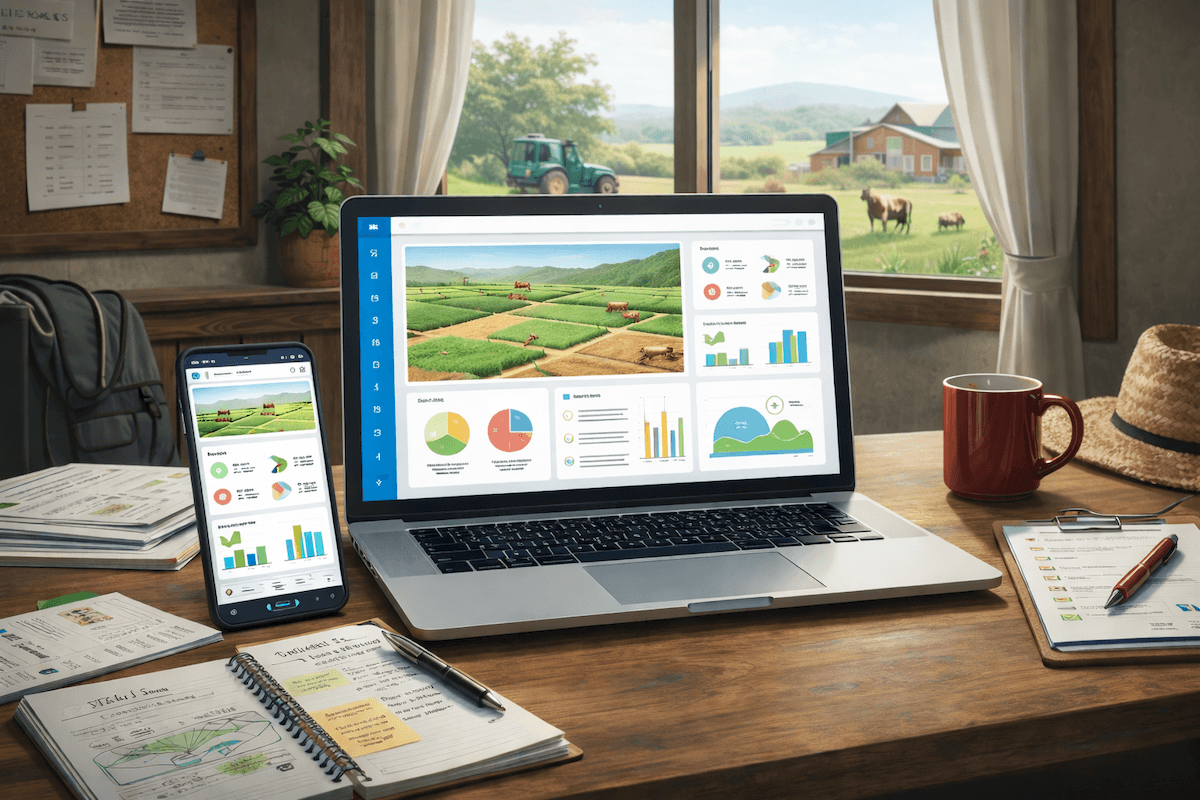
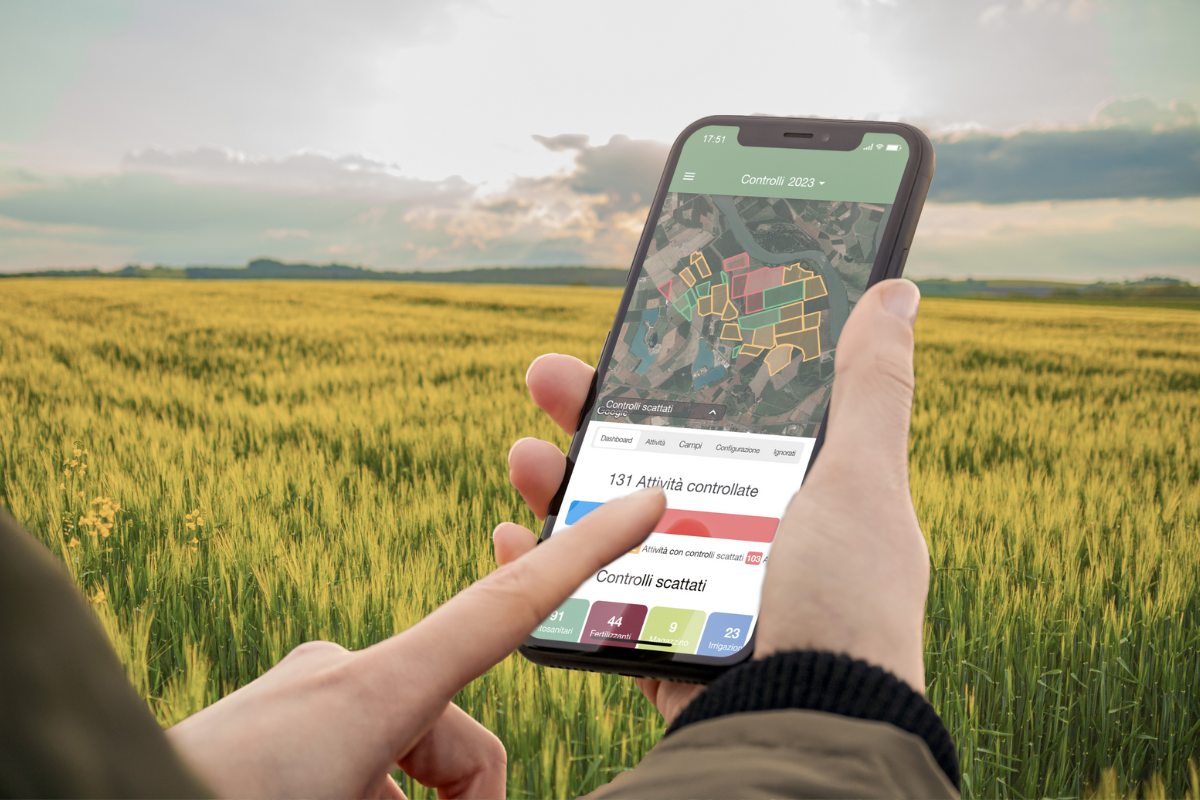
Farm management software like AgroProfit connects weather data to field operations, expenses, and yields—so you see the complete picture of how weather affects your farm profitability.
Tools for Weather Recording
Manual Rain Gauge and Thermometer
Simple, reliable, and inexpensive. Check daily during growing season. A basic rain gauge costs under €20 and provides more accurate farm-specific data than regional weather reports.
On-Farm Weather Stations
Automated stations record temperature, humidity, rainfall, wind, and more. Cost ranges from €200-2,000 depending on features. They provide continuous data without daily manual checks.
Weather Apps and Services
Regional weather forecasts are useful for planning but don't replace on-farm measurements. Your farm's microclimate can differ significantly from the nearest weather station.
Farm Management Software
Software like AgroProfit integrates weather data with field records, tasks, and expenses. Log weather conditions alongside every operation and analyze the impact on costs and yields over time.
Building a Weather-Based Decision Framework
Step 1: Set Up Recording
Install a rain gauge and thermometer on your farm. Check and record daily during growing season.
Step 2: Log Weather with Operations
Every time you plant, spray, irrigate, or harvest, note the weather conditions. This takes 30 seconds but creates invaluable data.
Step 3: Review at Season End
Compare weather records with yields, costs, and problems. Identify what worked and what didn't.
Step 4: Plan Next Season
Use historical weather data to set planting windows, spray protocols, and irrigation schedules for the next season.
Step 5: Refine Over Time
Each season of records makes your decisions better. After 3-5 years, you'll have a farm-specific weather intelligence system.
Common Weather Recording Mistakes
- Using regional data instead of farm data: Your farm's rainfall can differ by 30-50% from the nearest station
- Not recording consistently: Gaps in data reduce usefulness
- Recording weather separately from operations: Data must be connected to be actionable
- Ignoring microclimates: Different fields have different conditions
- Not reviewing historical data: Records only help if you analyze them
- Relying only on forecasts: Forecasts predict; on-farm records document what actually happened
Weather Data and Farm Profitability
Weather affects profit directly:
- Wrong spray timing wastes €50-200 per application
- Unnecessary irrigation costs €20-50 per hectare per application
- Early or late planting can reduce yields by 10-20%
- Frost damage can destroy entire field profits
- Harvest delays from rain cause quality downgrades and price losses
When you track weather alongside costs and yields per field, you quantify weather's impact on your bottom line and make adjustments that protect profit.
Getting Started with Weather Records
- Install a rain gauge: Place it in an open area on your farm
- Start daily recording: Rainfall, temperature, and key observations
- Log weather with every field operation: Planting, spraying, irrigation, harvest
- Review monthly: Look for patterns and anomalies
- Use data for next season's planning: Adjust timing based on history
Start your free 60-day AgroProfit trial and connect weather records to your field operations. Make data-driven decisions that improve yields and protect profit.
Conclusion
Weather will always be unpredictable, but weather records make your response strategic instead of reactive. Start recording today, connect weather to every field operation, and use historical data to improve decisions each season. Combined with field-level cost and yield tracking, weather intelligence helps you run a more profitable and resilient farm.