Precision agriculture is often marketed as high-tech equipment for large operations. In reality, small farms can capture many of the same benefits—variable inputs, better field records, and higher profit per hectare—without buying every sensor on the market.
This guide focuses on practical precision farming steps that fit small and medium farms: field mapping, zone thinking, targeted inputs, and data discipline with tools like AgroProfit.
What Precision Agriculture Really Means
Precision agriculture means managing variability within and between fields instead of treating every hectare the same. You apply seed, fertilizer, and crop protection where they pay—and reduce waste where they do not.
Core idea: measure → decide → apply → record → improve.
High-Impact Precision Practices for Small Farms
1. Accurate Field Maps and Boundaries
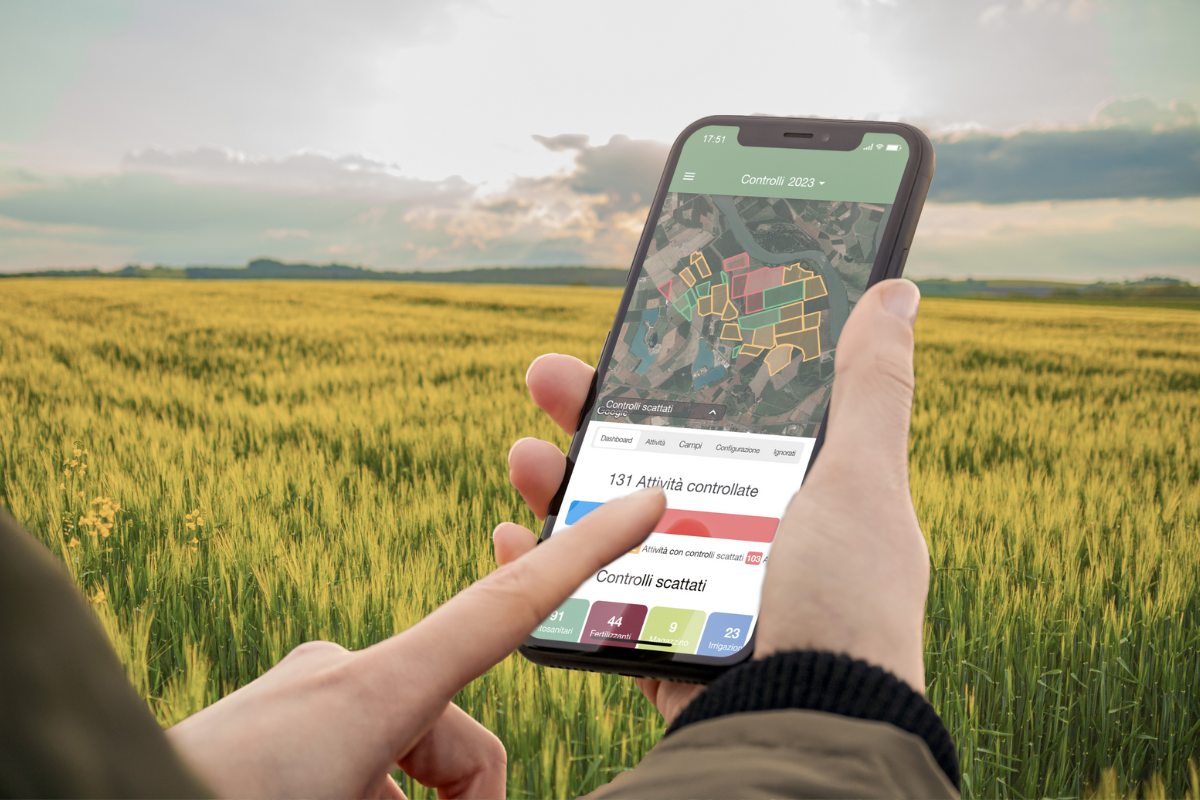
Start with clear field boundaries, area, and crop history. Without accurate hectares, every cost-per-hectare and yield calculation is wrong. Digital field maps are the foundation of precision decisions.
2. Yield and Cost Zones (Even Without Yield Monitors)
If you lack a yield monitor, create simple zones based on:
- Soil type and drainage
- Historical yield notes
- Weed pressure or problem patches
- Slope and compaction areas
Compare input costs and results by zone over seasons. You will often find that 20% of the field drives most of the losses.
3. Targeted Fertilizer and Lime
Soil tests by zone beat one average sample for the whole farm. Apply lime and nutrients where tests show need. Track application rates and costs per field so you can prove savings.
4. Guided Operations and Reduced Overlap
Even basic GPS guidance on a tractor can cut overlap on spraying and fertilizing by several percent. Fuel, product, and time savings add up quickly on repeated passes.
5. Operation and Weather Logging
Precision is incomplete without records. Log planting dates, rates, sprays, weather conditions, and yields. Data turns one-off decisions into a repeatable system.
What You Do Not Need First
Skip expensive tools until basics are working:
- Full drone fleets before field records exist
- Complex variable-rate controllers without soil or yield data
- Multiple apps that do not share field IDs and costs
Technology without records creates expensive complexity. Records without technology still create profit insights.
Build a Low-Cost Precision Stack
- Digital fields: Names, area, crop, and season history
- Expense tracking by field: Seeds, fertilizer, chemicals, fuel, labor
- Yield and income by field: True profit, not farm-average guesses
- Soil and scouting notes: Problems linked to location and date
- Season review: What to change next year by field
AgroProfit supports this stack by connecting fields, costs, operations, and profitability so precision decisions are based on your farm data—not generic averages.
Measuring ROI of Precision Practices
Track before/after metrics:
- Input cost per hectare
- Yield variability between zones
- Overlap waste on spray/fertilizer passes
- Profit per field after one full season
If a tool does not move one of these numbers, postpone the purchase.
Common Mistakes
- Buying gadgets before cleaning up field and cost data
- Collecting maps you never review
- Using farm-average fertilizer rates on highly variable soils
- Not linking precision actions to profit outcomes
Getting Started This Month
- Confirm field areas and crop history
- Split 1–2 large fields into simple management zones
- Soil-test zones separately where possible
- Track all inputs and yields by field for the season
- Review profit differences and adjust next season rates
Start your free 60-day AgroProfit trial and turn field data into precision decisions that improve profit per hectare.
Conclusion
Precision agriculture for small farms is less about expensive machines and more about managing variability with good maps, targeted inputs, and disciplined records. Start with fields, costs, and yields. Add technology only when it strengthens decisions you already measure. That is how precision farming becomes profitable—not just fashionable.