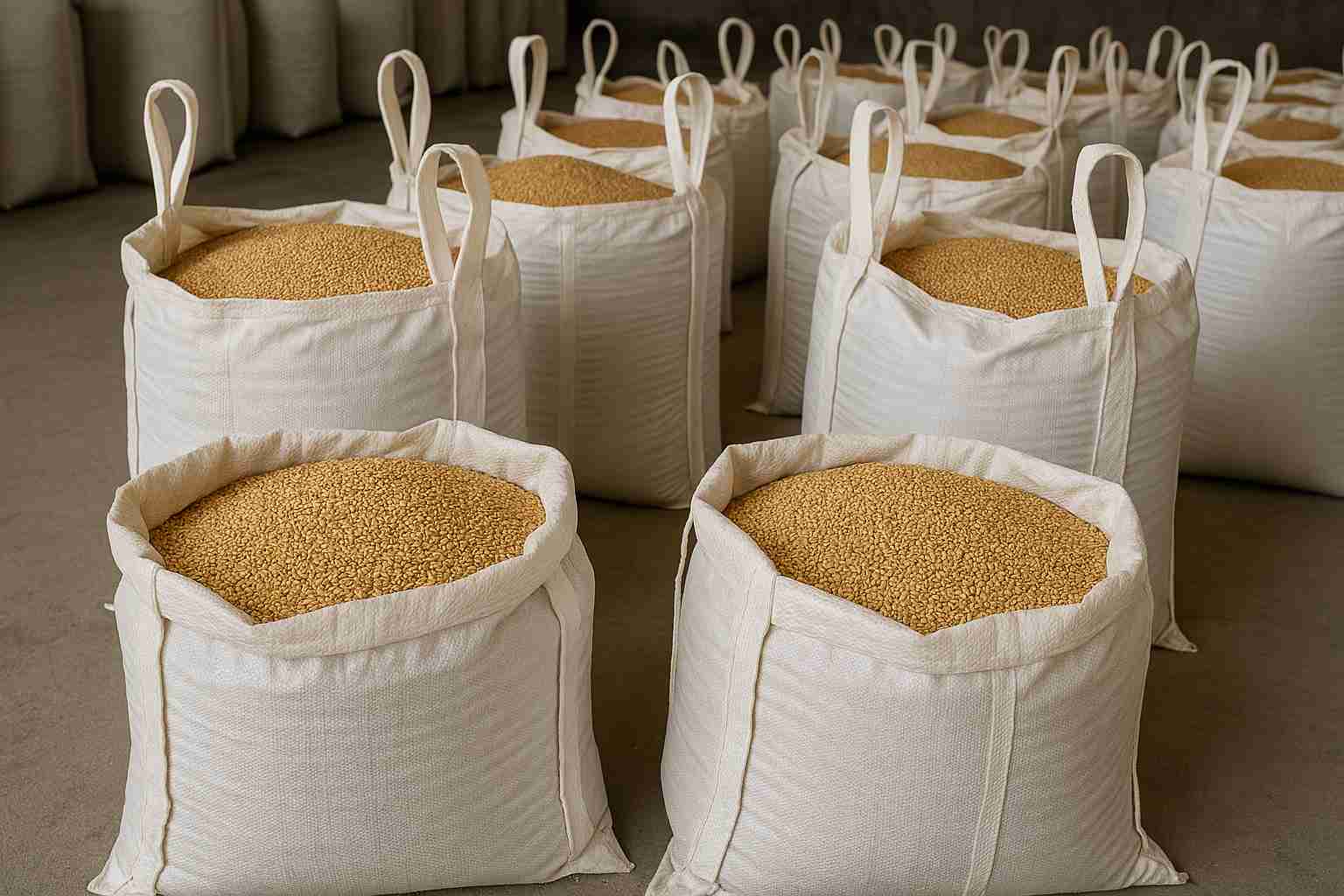
Harvest is only half the battle. Poor storage can destroy 10-30% of your crop value through spoilage, moisture damage, pest infestation, and quality downgrades. For grain farmers, post-harvest management is where profit is protected—or lost.
This guide covers grain drying, storage conditions, pest control, and best practices to preserve crop quality and maximize sale prices on small and medium farms.
Why Post-Harvest Storage Matters
After harvest, grain is vulnerable to:
- Moisture damage: High moisture causes mold, heating, and spoilage
- Pest infestation: Insects and rodents destroy stored grain quickly
- Quality downgrades: Lower test weight, damaged kernels, and mycotoxins reduce sale prices
- Quantity losses: Shrinkage from over-drying or spoilage reduces total volume
- Market timing: Proper storage lets you sell when prices are highest, not when you must
Every percentage point of storage loss comes directly from your profit. A 5% loss on 100 tons at €200/ton equals €10,000 gone.
Grain Moisture: The Critical Factor
Moisture content determines whether grain stores safely or spoils. Target moisture levels vary by crop:
- Wheat: 13-14% for safe storage
- Corn/Maize: 14-15% for short-term, 13% for long-term
- Barley: 13-14%
- Soybeans: 11-13%
- Sunflower: 9-10%
Testing Moisture
Never guess moisture levels. Use a calibrated moisture meter and test:
- At harvest (before deciding to dry or store)
- Before loading into storage
- Monthly during storage (temperature and moisture change)
- Before sale or delivery
Natural vs. Mechanical Drying
Natural drying: Spreading grain in thin layers or using ambient air. Works in dry climates but is slow and weather-dependent.
Mechanical drying: Using heated or unheated air in a dryer. Faster and more reliable but adds fuel and electricity costs. Track drying costs per ton—they affect your profit per field.
Storage Options for Small Farms
Bulk Bins and Silos
Best for large volumes. Requires proper aeration, temperature monitoring, and regular inspection. Initial investment is high but operating costs are low per ton.
Grain Bags
Flexible storage for temporary or overflow capacity. Lower cost than bins but requires careful sealing and pest monitoring. Good for 1-2 season storage.
Warehouse and Floor Storage
Common on smaller farms. Requires regular turning, aeration, and strict pest control. Higher labor but lower capital investment.
On-Farm vs. Commercial Storage
Compare costs:
- Building and maintaining your own storage
- Commercial storage fees (per ton/month)
- Transportation to and from commercial facilities
- Quality risk during transport
Track these costs in your farm records to know the true cost of storage per crop.
Preventing Storage Losses
1. Clean Before Storage
Remove broken kernels, weed seeds, and foreign material before storage. Clean grain stores better and attracts fewer pests.
2. Aeration and Temperature Control
Run aeration fans to:
- Cool grain after harvest (target below 15°C)
- Equalize temperature throughout the bin
- Prevent moisture migration and hot spots
Monitor grain temperature weekly during storage. A rising temperature signals spoilage or pest activity.
3. Pest Management in Storage
Common stored-grain pests include weevils, beetles, and moths. Prevention strategies:
- Clean bins thoroughly before loading
- Treat empty bins with approved insecticides
- Monitor with traps and regular sampling
- Fumigate only when necessary and by certified applicators
- Maintain records for food safety and certification
4. Prevent Mycotoxins
Mold toxins (aflatoxin, DON, zearalenone) develop in high-moisture grain and can make crops unsellable. Prevent by:
- Drying to safe moisture immediately after harvest
- Cooling grain quickly
- Inspecting for mold during storage
- Testing before sale if conditions were risky
Tracking Post-Harvest Costs and Profit
Post-harvest costs often get overlooked in farm accounting, but they significantly affect profit per field:
- Drying costs: Fuel, electricity, labor per ton
- Storage costs: Depreciation, maintenance, pest control
- Handling losses: Spillage, shrinkage during transfer
- Quality discounts: Price reductions for moisture, damage, or toxins
- Insurance: Crop and storage insurance premiums
When you track these costs per crop and field, you see the full picture from planting to sale. Farm management software like AgroProfit helps you log harvest quantities, storage expenses, and sale prices—so you know true profit per field after all post-harvest costs.
Marketing Strategy and Storage Timing
Storage gives you flexibility to sell when prices are best:
Know Your Break-Even Price
Calculate total cost including post-harvest expenses. You need to sell above this price to profit.
Monitor Markets
Track price trends and seasonal patterns. Historically, grain prices often rise in late winter/early spring when supplies tighten.
Partial Sales Strategy
Instead of selling everything at harvest (often the lowest prices), consider:
- Sell 30-50% at harvest to cover immediate costs
- Store the rest for better prices
- Track storage costs against potential price gains
Contract vs. Spot Sales
Forward contracts lock in prices but reduce flexibility. Compare contract prices to your break-even and storage cost projections.
Storage Record Keeping
Maintain records for every stored batch:
- Crop type and variety
- Field of origin
- Harvest date and moisture at harvest
- Drying date, method, and final moisture
- Storage location and quantity
- Temperature and moisture checks (dates and readings)
- Pest treatments applied
- Sale date, quantity, price, and buyer
These records are essential for food safety audits, organic certification, and insurance claims. They also help you analyze which fields produce the best-storing grain.
Common Post-Harvest Mistakes
- Storing wet grain: The number one cause of spoilage
- Not monitoring temperature: Hot spots destroy grain silently
- Ignoring pests until too late: Regular monitoring prevents major infestations
- Over-drying: Excessive drying causes shrinkage and weight loss
- Mixing grain from different fields: Makes traceability and quality tracking impossible
- Not tracking costs: Storage costs eat into profit invisibly
- Selling at harvest lows: Missing better prices because storage wasn't planned
Seasonal Post-Harvest Checklist
At Harvest
- Test moisture before deciding to dry or store
- Clean grain before storage
- Record quantity by field
- Begin drying if moisture is above safe levels
First Month After Harvest
- Cool grain with aeration
- Monitor temperature weekly
- Inspect for pests
- Log all drying and storage costs
During Storage (Monthly)
- Check temperature and moisture
- Inspect for mold, odors, or pest activity
- Review market prices for selling opportunities
- Update storage records
Before Sale
- Test final moisture and quality
- Calculate total cost per ton (production + post-harvest)
- Compare to current market prices
- Record sale details linked to field of origin
Tools for Post-Harvest Management
Moisture Meters and Thermometers
Essential hardware. Calibrate regularly for accurate readings.
Spreadsheets
Can track quantities and costs but don't connect to field-level production data.
Farm Management Software
AgroProfit connects harvest data to storage costs and sale prices, giving you complete profit analysis from field to market. Track every ton from the field it came from to the price it sold for.
Getting Started with Better Storage Management
- Test moisture at harvest: Know what you're storing
- Calculate drying needs: Plan fuel and time requirements
- Set up monitoring: Temperature checks and pest traps
- Track all costs: Drying, storage, handling, and quality discounts
- Plan your marketing: Decide how much to sell now vs. store
Start your free 60-day AgroProfit trial and track harvest quantities, storage costs, and sale prices per field. Protect your crop value and maximize profit from field to market.
Conclusion
Post-harvest management protects the value you worked all season to create. Control moisture, monitor storage conditions, prevent pests, and track every cost. Combined with field-level profit tracking, good storage practices ensure that harvest success translates into real farm profitability.